
Fiqh Course –Advanced
Islamic Studies
An advanced Fiqh program designed for students who have a strong foundation in Islamic jurisprudence and want to develop deeper knowledge of Fiqh principles, legal reasoning, comparative jurisprudence, and contemporary Islamic legal issues. The course moves beyond learning individual rulings and focuses on understanding how scholars approach Fiqh questions, examine evidence, apply legal principles, analyze differences of opinion, and study contemporary issues. Students explore advanced topics in worship, family law, financial transactions, Usul Al-Fiqh, legal maxims, comparative Fiqh, and contemporary Fiqh issues. The course also introduces students to structured Fiqh research under the guidance of a qualified teacher.
What You Will Learn
- Understand advanced concepts in Islamic Fiqh.
- Analyze selected Fiqh issues using established principles.
- Understand the relationship between Usul Al-Fiqh and practical Fiqh.
- Study relevant Quranic and Prophetic evidence related to Fiqh issues.
- Understand selected methods of legal reasoning and deduction.
- Identify and apply major Islamic legal maxims.
- Understand the causes of scholarly disagreement.
- Compare selected Fiqh opinions in a structured manner.
- Distinguish between legitimate scholarly disagreement and unsupported opinions.
- Apply Fiqh principles to new and practical situations.
- Study selected contemporary Fiqh issues and emerging questions.
- Develop skills in reading and analyzing Fiqh sources.
- Prepare a structured Fiqh research project under teacher supervision.
- Build a strong foundation for further specialized Islamic studies.
Who This Course Is For
- Students who have completed Intermediate Fiqh.
- Students with a strong equivalent background in Islamic jurisprudence.
- Students of Islamic Sciences and Islamic Studies.
- Learners seeking deeper and more systematic Fiqh knowledge.
- Students interested in comparative Fiqh.
- Students interested in Usul Al-Fiqh and Islamic legal principles.
- Quran and Hadith students seeking broader Islamic scholarship.
- Students preparing for advanced Islamic Studies programs.
Prerequisites
- Have completed Fiqh – Intermediate or have equivalent advanced foundational knowledge.
- Have a strong understanding of essential acts of worship.
- Be familiar with basic and intermediate Fiqh terminology.
- Have a suitable background in Aqidah and Islamic Studies.
- Be able to read and understand basic Islamic texts.
- Be prepared to study evidence and selected Fiqh sources in greater depth.
- Have an interest in comparative Fiqh and Islamic legal principles.
- An initial assessment may be required to determine whether the student is ready for the Advanced level.
Certificate
- Fiqh Course – Advanced Certificate of Completion
- The certificate recognizes the student's successful completion of the Advanced Fiqh program and study of the subjects, principles, and applications included in the curriculum.
- Important: This is a course completion certificate. It is not an academic degree, Fatwa qualification, or authorization to issue Islamic legal rulings or Fatwas. Specialized legal questions should be referred to qualified scholars.
Course Details
Explore More Courses
View all


Course Curriculum
12 modules · 93 lessons- Lesson 1: Review of Essential Fiqh Terminology
- Lesson 2: Development of Islamic Fiqh and Fiqh Schools
- Lesson 3: Sources of Islamic Law and Legal Evidence
- Lesson 4: Methods of Scholarly Legal Reasoning
- Lesson 5: Relationship Between Usul Al-Fiqh and Fiqh
- Lesson 6: Methodology of Reading Classical Fiqh Texts
- Lesson 1: Legal Rulings and Their Categories
- Lesson 2: General and Specific Texts
- Lesson 3: Absolute and Restricted Texts
- Lesson 4: Commands, Prohibitions, and Their Legal Implications
- Lesson 5: Introduction to Abrogation
- Lesson 6: Ijma' and Qiyas
- Lesson 7: Istishab and Recognized Considerations of Public Interest
- Lesson 8: Applying Usul Principles to Fiqh Issues
- Lesson 1: Actions Are Judged by Intentions
- Lesson 2: Certainty Is Not Removed by Doubt
- Lesson 3: Hardship Brings About Ease
- Lesson 4: Harm Must Be Removed
- Lesson 5: Custom Has Legal Consideration
- Lesson 6: Applications of Major Legal Maxims
- Lesson 7: Analyzing Fiqh Issues Through Legal Maxims
- Lesson 1: Advanced Issues in Taharah
- Lesson 2: Advanced Issues in Salah
- Lesson 3: Fiqh of Prayer for Travelers and the Sick
- Lesson 4: Advanced Issues in Fasting
- Lesson 5: Making Up Fasts, Fidya, and Kaffarah
- Lesson 6: Advanced Issues in Zakah
- Lesson 7: Advanced Issues in Hajj and Umrah
- Lesson 8: Applied Case Studies in Fiqh of Worship
- Lesson 1: Advanced Rulings of Marriage
- Lesson 2: Rights and Responsibilities of Spouses
- Lesson 3: Divorce and Its Detailed Rulings
- Lesson 4: Khul' and Marriage Dissolution
- Lesson 5: Iddah and Related Rulings
- Lesson 6: Custody and Financial Responsibilities
- Lesson 7: Introduction to Inheritance Fiqh
- Lesson 8: Contemporary Issues in Family Fiqh
- Lesson 1: Principles and Regulations of Islamic Transactions
- Lesson 2: Sales and Their Conditions
- Lesson 3: Options and Conditions in Sales
- Lesson 4: Riba and Its Detailed Rulings
- Lesson 5: Debts, Loans, and Guarantees
- Lesson 6: Partnerships and Business Structures
- Lesson 7: Leasing and Financial Contracts
- Lesson 8: Contemporary Islamic Financial Transactions
- Lesson 1: Introduction to Comparative Fiqh
- Lesson 2: Reasons for Differences Among Scholars
- Lesson 3: Methodologies of the Major Fiqh Schools
- Lesson 4: Comparative Study of Selected Taharah Issues
- Lesson 5: Comparative Study of Selected Salah Issues
- Lesson 6: Comparative Study of Fasting and Zakah Issues
- Lesson 7: Comparative Study of Selected Transaction Issues
- Lesson 8: Methodology for Understanding Fiqh Differences
- Lesson 1: Introduction to Contemporary Fiqh Issues
- Lesson 2: Methodology for Studying Modern Questions
- Lesson 3: Contemporary Medical Issues – A Fiqh Introduction
- Lesson 4: Modern Financial Transactions
- Lesson 5: E-Commerce and Digital Contracts
- Lesson 6: Technology and Digital-Life Issues
- Lesson 7: Contemporary Family Issues
- Lesson 8: Applied Studies of Selected Contemporary Issues
- Lesson 1: Collecting Evidence Related to a Fiqh Issue
- Lesson 2: Understanding the Meaning and Implications of Texts
- Lesson 3: Reconciling Multiple Evidences
- Lesson 4: Studying Scholarly Opinions and Their Sources
- Lesson 5: Analyzing the Reasons Behind Different Opinions
- Lesson 6: Introduction to Tarjih and Preference Between Opinions
- Lesson 7: Applied Analysis of a Fiqh Issue
- Lesson 8: Writing a Short Fiqh Research Paper
- Lesson 1: Selecting a Fiqh Research Topic
- Lesson 2: Collecting Reliable Sources and References
- Lesson 3: Organizing Evidence and Scholarly Opinions
- Lesson 4: Comparing Fiqh Opinions
- Lesson 5: Analyzing the Selected Fiqh Issue
- Lesson 6: Referencing and Documenting Sources
- Lesson 7: Preparing a Supervised Fiqh Research Project
- Lesson 8: Presenting and Discussing the Research
- Lesson 1: Analyzing Real-Life Fiqh Cases
- Lesson 2: Applying Legal Maxims to Contemporary Issues
- Lesson 3: Case Studies in Family Fiqh
- Lesson 4: Case Studies in Financial Transactions
- Lesson 5: Case Studies in Worship
- Lesson 6: Analysis of Selected Disputed Issues
- Lesson 7: Discussion of Contemporary Fiqh Questions
- Lesson 8: Applied Fiqh Assessment
- Lesson 1: Review of Usul Al-Fiqh
- Lesson 2: Review of Islamic Legal Maxims
- Lesson 3: Review of Advanced Worship Fiqh
- Lesson 4: Review of Family and Financial Fiqh
- Lesson 5: Review of Comparative Fiqh
- Lesson 6: Review of Contemporary Fiqh Issues
- Lesson 7: Final Fiqh Research Project
- Lesson 8: Final Assessment
Your Course Teacher
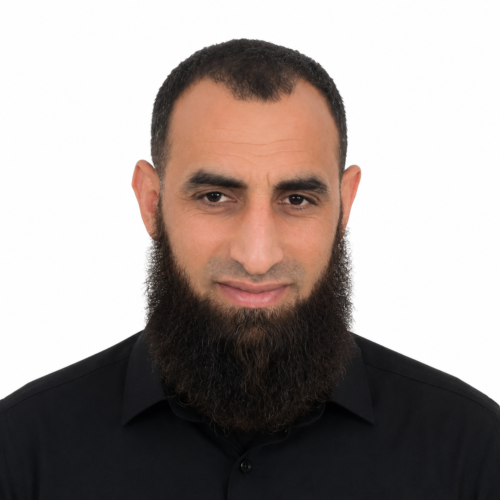
Sheikh Abdelrahman El-Sayed Abu El-Ata
Chairman of the Board
Sheikh Abdelrahman El-Sayed Abu El-Ata is the Founder and Chairman of the Board of Wahion Youha Academy, with 21 years of experience in Quranic and Islamic education.
View Teacher Profile
Sheikh Azeez Mohammed Hassan Zena
Senior Quran & Tajweed Instructor
Sheikh Azeez Mohammed Hassan Zena has 16 years of experience teaching the Holy Quran. He began teaching at Al-Azhar Al-Sharif in 2006 and started teaching Quran online in 2010, gaining extensive experience in both traditional and online Quran education. He…
View Teacher Profile
Sheikh Mohammed Said Abbas
Tajweed Instructor
Sheikh Mohammed Said Abbas is a Tajweed instructor with more than two years of experience teaching Noor Al-Bayan, Tajweed, and the Holy Quran. He is a student of Quranic readings at Al-Azhar University, where he focuses on the study and…
View Teacher Profile
Ustadha Iman Ibrahim Abdel Latif El-Saadawy
Quran, Qira'at & Islamic Studies Teacher
Ustadha Iman Ibrahim Abdel Latif El-Saadawy is an experienced Quran and Qira'at teacher with 16 years of teaching experience. She specializes in teaching the Holy Quran, Quranic recitations, and Islamic studies. She has studied at a Qira'at Institute, specializing in…
View Teacher Profile
Ustadha Manar Mosaad Abdulhakeem
Arabic Tutor | Islamic Studies & Qur’an Teacher
Ustadha Manar Mosaad Abdulhakeem At-Tantawy is an Arabic tutor, Islamic Studies teacher, and Qur’an instructor with 6 years of teaching experience. She specializes in teaching Arabic, Islamic Studies, Qur’an recitation, and Tajweed to both children and adults. She holds a…
View Teacher ProfileFAQs
Students who have completed Intermediate Fiqh or have a strong equivalent background in Islamic jurisprudence may enroll after an initial assessment.
It is recommended, but not always required. Students with sufficient prior knowledge may take an assessment to determine their readiness for the Advanced level.
Yes. The course introduces and applies selected principles of Usul Al-Fiqh that are important for understanding how Fiqh rulings are derived and analyzed.
Yes. Students study the major legal maxims and learn how they can be applied to practical Fiqh issues.
Yes. The course includes structured comparative studies of selected issues and introduces students to the methodologies of the major Fiqh schools.